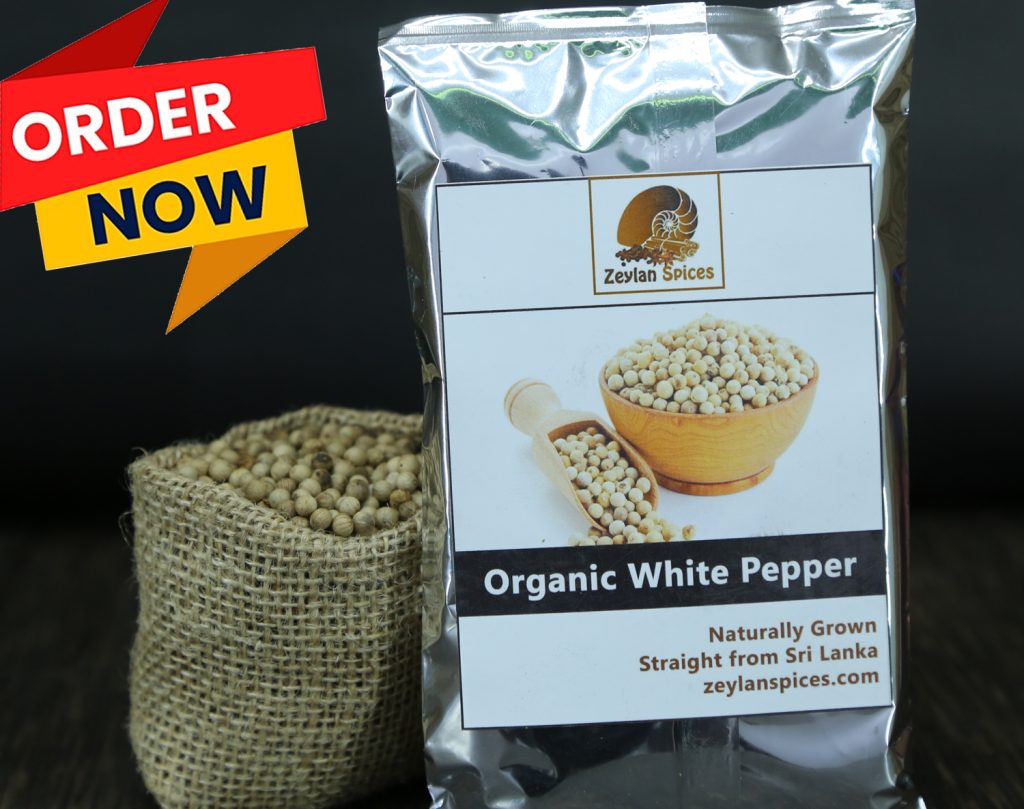


Ceylon white pepper is a useful spice for cooks who want gentle heat and a peppery finish without adding dark specks or a strong roasted note. If you have ever wondered how to use Ceylon white pepper in everyday cooking, the best place to start is with dishes where a clean, light appearance matters as much as flavour.
Compared with black pepper, white pepper is typically milder in appearance and can feel more direct in flavour. That makes it a smart choice for soups, cream-based sauces, mashed potatoes, seafood, and other light-coloured dishes where black pepper may stand out visually.
What Ceylon white pepper is
White pepper comes from the same pepper berry as black pepper, but it is processed differently. The outer skin is removed before drying, which gives the spice a paler colour and a different flavour profile. Ceylon white pepper is appreciated for its clean, earthy pepperiness, especially when you want the seasoning to blend into the dish rather than sit on top of it.
For home cooks, that means white pepper can be a practical choice whenever you want warmth without visible flecks. It is especially useful in recipes where texture and colour matter, such as velvety soups or smooth sauces.
Best dishes for white pepper
White pepper works best in dishes where its flavour can blend naturally. A few reliable examples include:
- Soups: vegetable soups, chicken soups, and blended soups benefit from a gentle pepper finish.
- Mashed potatoes: white pepper seasons the potatoes without interrupting their pale colour.
- Cream sauces: béchamel, cheese sauces, and other creamy recipes pair well with its clean heat.
- Seafood: fish, prawns, and shellfish often work beautifully with subtle pepper seasoning.
- Stir-fries: lighter vegetable or chicken stir-fries can use white pepper for a more even look.
If your goal is balance rather than boldness, white pepper is often the more practical choice. It helps round out a dish without changing its appearance too much.
How to add white pepper while cooking
The easiest way to avoid an overly sharp result is to add white pepper gradually. Because the spice can taste more direct than black pepper in some dishes, it is better to season in stages rather than all at once.
- Start with a small pinch or a light grind.
- Stir it into the dish while the ingredients are cooking so the flavour can soften and spread.
- Taste before adding more.
- Adjust at the end only if needed.
In soups and sauces, white pepper is often best added early enough for the flavour to meld. In mashed potatoes, mix it in after mashing, then taste and fine-tune. For seafood or stir-fries, a small amount near the end of cooking can be enough.
Grinding, measuring, and seasoning tips
Freshly ground pepper usually gives a brighter, more noticeable flavour than pre-ground pepper. If you grind white pepper at home, use a light hand at first and increase slowly.
| Cooking situation | Practical tip |
|---|---|
| Soups and broths | Add a little at a time so the flavour blends into the liquid. |
| Cream sauces | Season early, then taste again after the sauce thickens. |
| Mashed potatoes | Mix well so the pepper is evenly distributed. |
| Seafood | Use a small amount to keep the dish balanced. |
| Stir-fries | Add near the end if you want a lighter pepper note. |
If you are replacing black pepper with white pepper in a recipe, begin with slightly less than the original amount. You can always add more, but it is harder to soften a dish once the pepper flavour becomes too strong.
Common mistakes to avoid
White pepper is straightforward to use, but a few small mistakes can make the difference between balanced seasoning and a dish that feels harsh.
- Using too much too quickly: white pepper can take over a dish if added without tasting along the way.
- Adding it only at the end in large amounts: the flavour may sit on top instead of blending in.
- Forgetting the dish type: white pepper is especially useful in light-coloured recipes, but it is not necessary in every dish.
- Grinding too coarsely for delicate sauces: a finer grind often works better where smooth texture matters.
A good rule for everyday cooking is simple: start small, taste often, and let the dish tell you how much more it needs.
Why many home cooks keep white pepper on hand
White pepper is one of those spices that quietly improves everyday meals. It is practical, versatile, and especially helpful when you want seasoning without visible pepper flakes. For international home cooks looking for authentic Sri Lankan spices, Ceylon white pepper can be a dependable pantry staple for both traditional and modern recipes.
If you would like to try it in your own kitchen, explore Organic Ceylon White Pepper – Premium Grade and bring a clean, balanced pepper note to your soups, sauces, and light-coloured dishes.
Products featured in this guide